



For those of you who have been with me since I started this newsletter back in 2023, you probably remember I decided to fundraise the moment I started working on Mane Hook-Up full time.
Bold, I know (and a little naïve).
But my aim was less about showing how much I could raise in public and more about helping other founders understand what the landscape of fundraising actually looked like. Because one thing is for sure, we hear about the money that lands in a start-up’s bank account when a round closes. We never hear what it actually took to get there. Which leaves most people wondering if they can ever do it to, and if so how?
So I started documenting (week by week) what I was doing to raise. Despite being an operator in the start-up space, it was harder, more draining and more complex than I expected.
While I had been working on Mane Hook-Up part-time for years, I wasn’t really known for what I do, I had a process (but it wasn’t solid), and I burnt out multiple times along the way, leaving me feeling like fundraising was taking me for a ride and not the other way around.
Ultimately, after 8 months of work, I didn’t close the round.
Now, 3 long years later… I’m back to do this all again. But this time, I’m doing things differently.
Often when people are optimising anything, they think tools and processes first, which makes sense. The sharper your arsenal is, the better the outcome often is too. So yes, this version of 240 days has a tool stack update (which you can see below, thank me later).
But what if the real optimisation isn’t the tools at all?
Fortune 500 executives spend thousands optimising every part of their lives - nutrition, fitness, recovery, therapy - because it sharpens the decisions that let them outperform everyone else. Instead of burning the candle at both ends like we’re told to accept, what if I spent that same energy investing in myself and my wellbeing?
Can I close? Can I do it faster and on better terms?
That’s the question I really want to answer in this new version of 240 days.
Each time I burned out during my last raise, not only did I struggle to pick myself back up again, but I also fell out of love with pitching. It just felt like I was on a painfully slow ride to no particular destination, and that energy inevitably bled into my conversations, which would have also affected my ability to close anything.
One thing I know for sure is, investors aren’t just buying into the future that Mane Hook-Up creates when it’s serving almost every Black woman in the world; they are fundamentally buying into me. The Founder, the person who birthed the idea and is fighting to bring it to life.
That said, I am my greatest asset. And I don’t mean that in an arrogant “none of it can happen without me” way; I have an amazing team, and the things we do wouldn’t be possible without them.
I mean, if I spend time trying to optimise myself, investing in what I need to do to be a better Founder, I’m pretty sure I can get far further than I did last time.
For those who want to discover the answer with me, subscribe and stick around for the ride.
I’ll be sharing monthly updates in between the usual deep dive and quick wins posts, and I’m making this content entirely free for everyone to see, as I want as many Founders as possible to benefit from the results of this experiment.
When does the 240 days start and stop?
240 days from today (21st September 2026) lands on 19th May 2027.
So, by this time I want to have closed the round and ideally have money in the bank.
How will you work on & measure your wellbeing?
NAIQUAN: The system I’m running this on
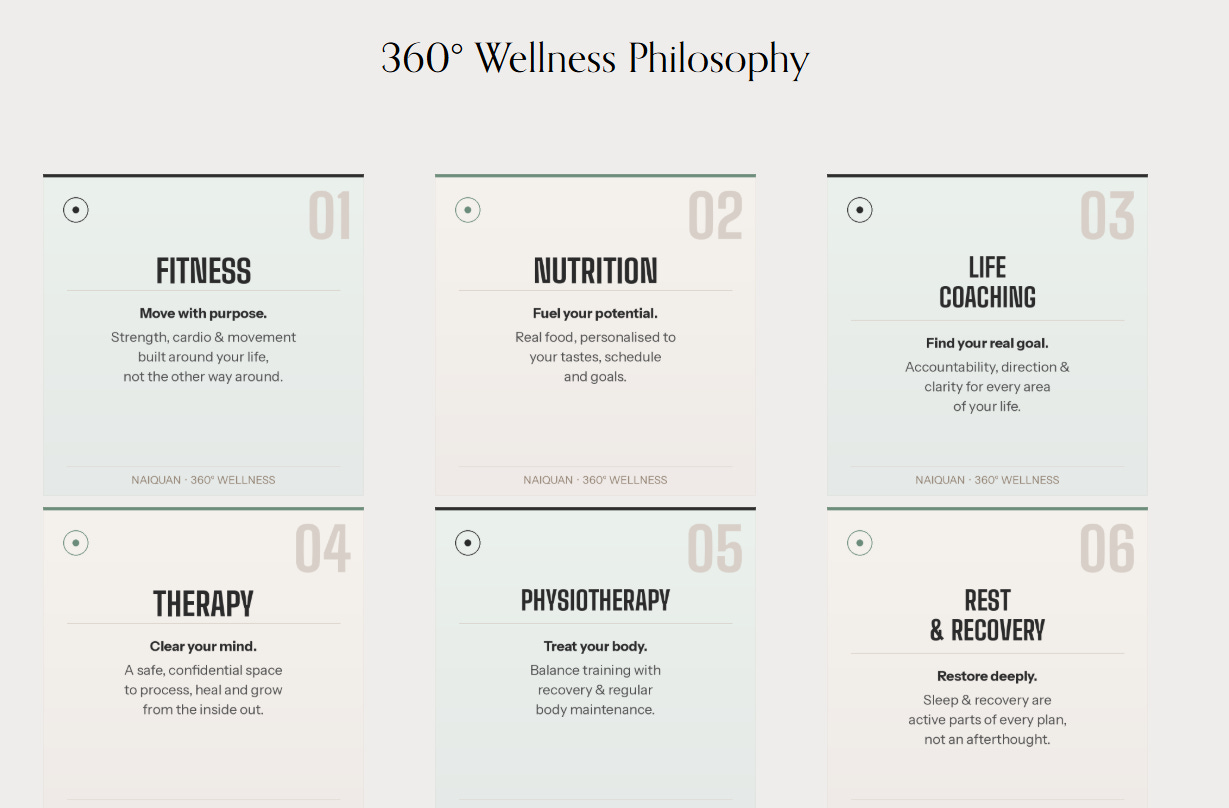
Before I get into the raise itself, I want to explain what I’m actually doing, because “wellness” on its own doesn’t mean much. I’m not adding self-care around the edges of fundraising. I’m improving six specific areas, all at once, because burnout in 2023 didn’t come from one thing going wrong. It came from everything going unmanaged at the same time.
This is NAIQUAN’s 360 wellness philosophy, and it’s what I’m using as my operating system for this round.
Fitness: Move with purpose
Strength, cardio, and movement built around my actual life, not the other way around. I’ve been sprinting since I was a teen, and while training for 3-4 hours a day, five days a week is probably something that Founders would throw in the bin during a fundraise, I have no intention of doing that. This isn’t about training harder; it’s about training in a way that fits into my week rather than getting sacrificed by it.
Nutrition: Fuel my potential
Real food, personalised to my body’s needs, my schedule, and what I’m trying to achieve. Not a diet. Fuel for the version of me that has to be sharp on back-to-back investor calls.
Life Coaching: Find my real goal
Accountability, direction, and clarity across every part of my life, not just the business. A raise has a way of swallowing everything else; this is what stops that from happening.
Therapy: Clear my mind
A safe, confidential space to actually process what’s happening, not just push through it. Rejection is part of every raise. This is where I deal with it properly instead of carrying it into the next call.
Physiotherapy: Treat my body
Balancing the pace of this round with real recovery and regular body maintenance, so the physical toll doesn’t quietly build up over 240 days without me noticing.
Rest and Recovery: Restore deeply
Sleep and recovery treated as an active part of the plan, not an afterthought that gets cut when things get busy. In 2023, this was the first thing I dropped (I was regularly running on 4-5 hours of sleep). Not this time.
Why this matters for the round
The bet I’m making is simple. If I can run all six of these properly, at the same time as raising, I don’t just avoid burning out again. I actually become a better founder in the process, sharper decisions, steadier under pressure, more resilient when a call goes badly. That’s the experiment. Not just can I close, but does looking after myself change what closing even looks like.
How I’ll measure this
Every edition, I’ll score myself 1 to 5 on five things. Not to perform wellness, but to keep myself honest, and to give you a way to actually see whether this is working or whether I’m just saying it’s working.
Energy levels. 1 is running on empty by Wednesday. 5 is finishing the week with something left in the tank.
Coping capacity. 1 is a bad call derails my whole day. 5 is a bad call is disappointing for an hour, then I move.
Recovery time after a knockback. 1 is still thinking about a rejection days later. 5 is back to normal functioning within a few hours.
Pillar consistency. 1 is most of the six slipped this time around. 5 is the plan actually happened, close to as intended.
Decision quality under pressure. 1 is looking back and knowing a call was made frazzled. 5 is looking back and knowing it came from a clear head.
I’ll show the numbers plainly, including when they’re low. A 2 on energy or a 1 on recovery isn’t a failure of the experiment, it’s data. That’s the whole point.
JaRoy’s Corner
Quick introduction before this becomes a regular thing. JaRoy is the founder of NAIQUAN, a holistic wellness coaching practice, and he’s also my husband. He’s the person actually running the coaching side of everything (the six pillars, the measurement scale) all of it sits under his direction, not something I’m applying to myself in isolation.
In each fundraising newsletter, this section is his, not mine. Short, direct, whatever he’s currently working on with me and why it matters right now. Think of it as the coach’s read on where I’m at, sitting right next to my own read on the same thing.
A lot of people focus on how much they train, how intense and forget that above all else, what goes into your body is fundamental to your health.
So, with that said, nutrition is where we’ll start.
Before we can build out Jade’s nutrition pillar properly, I needed to know what’s actually working for her body and what isn’t. So, we started with a Sensitivity Test.
Quick distinction worth knowing: an allergy is your immune system reacting fast, sometimes severely. A sensitivity is slower, often digestive or inflammatory, showing up hours or days later as bloating, fatigue, brain fog, skin issues, or headaches. Not dangerous, but if it goes unaddressed, it quietly erodes quality of life, and for a founder in the middle of a raise, that’s exactly the kind of thing that goes unnoticed until it’s already cost you.
The test also checks vitamin and nutrient levels, possible organ inflammation, and hormone levels. Once we’ve eliminated the high and medium sensitivities flagged, we monitor for two months to see what actually changes.
This is the foundation everything else gets built on. Not a generic meal plan, but one built from what Jade’s body is actually telling us, treating her not just as a founder, but as an athlete who needs to perform at this level for eight months straight.
It’s important that her individual needs are at the forefront of every adjustment we make. This test will allow us to do just that.
Alongside that, we’re testing something else. Jade’s going to switch between morning and evening training sessions over the next few weeks, so we can actually see when she’s most productive on the track rather than assuming it. That sits next to a proper look at her sleep schedule, making sure the hours she’s working line up with when her energy is genuinely at its best, not just when the calendar happens to be free.
Small moves, but together they’re already touching fitness, nutrition, and rest in this first month alone. That’s deliberate. We’re not trying to fix everything at once, we’re building a real picture of what actually works before we lock anything in.
— JaRoy Buffong, Founder and Lead Coach at NAIQUAN
Ok, well what funding prep has been one so far?
A lot 😅
Fundraising prep is not for the faint-hearted. It’s taken me roughly 5 weeks to get everything ready from beginning to end, and I took my time to work this all out methodically and thoroughly, because I will ultimately be judged by the quality of my work.
Product direction and team
We’re building a new and improved model of Mane Hook-Up, one that serves both our customers and our stylists better in the long run. I’m not going to give away the details of what that actually looks like yet; that’s staying close to the chest for now, but I can tell you what it requires behind the scenes.
It’s meant genuinely handing over larger parts of the product to the team rather than just delegating tasks. Product now isn’t with me making every call, which has been its own adjustment. And we’re getting everything in place for our Head of Tech to come in and actually run with it, which means the infrastructure, the handover, the clarity on what they’re walking into- all of that had to be built before they arrive, not figured out after.
Valuation & financial models
I didn’t start with the valuation.
I started with the model, because the model is what actually tells you how much you need to raise in the first place, and I wasn’t willing to work backwards from a number that felt good rather than one that was true.
Rather than building a model from scratch, I went looking for a financial model template first, which turned out to save me an enormous amount of time compared to starting from a blank sheet. You can find a tonne of great templates on this website called the Founder Playlist (again, thank me later).
I then customised it properly for MHU, our numbers, our assumptions, our structure. Somewhere in that process I broke a formula. Not a small thing, a proper “why is this number suddenly wrong and I have no idea where” moment. I couldn’t trace it myself, so Claude ended up walking me through it line by line until we actually found it.
I gave this two and a half weeks before I let myself move on to anything else, headcount included in that. That wasn’t me being precious; it was because I needed the numbers to be genuinely solid, not roughly right, before I built anything on top of them. The valuation itself only came once that foundation was locked.
The deck & all other documentation
Before I wrote a single word, I made a full list of everything that needed to exist for the data room. Not a rough idea, an actual list, because I didn’t want to be discovering gaps halfway through investor conversations.
That list included:
The pitch deck (2x versions, one for emails, another for calls)
Investor tracker
FAQs
A comms pack, including every email template I’d need
Executive summary
Round terms
Cap table
SAFE
Historical financials
A handful of others beyond that
On the upside, this isn’t my first rodeo and marketing is my background, so while this was all time consuming, it wasn’t painful. Another two and a half weeks went into building out everything on that list, the deck itself, and getting all my tools properly set up and connected around it. By the time this edition goes out, none of this is polished to perfection, but it’s built, tested against a real checklist, and ready to actually go in front of people.
Outreach automation & tools
Three tools doing the heavy lifting here. Hunter.io for finding and verifying the right contacts before I ever reach out. Boardy for investor networking and warm introductions. Marblism is running outreach on autopilot in the background. More on exactly how each of these is being used later in this edition.
This one had an extra step I hadn’t planned for. Last time round I was using a tool called Wobaka for automation; this time I’ve moved to Hunter, which meant I needed to get back into my old Wobaka account first to download my investor email list rather than starting from zero.
Lucky for me, I still had the founder’s contact details, and he gave me three days of free access to go in and pull everything out (thanks, Fredrik; genuinely appreciated!) From there, I used another tool to extract additional contact data, combined that with what I’d pulled from Wobaka, and uploaded the whole thing into Hunter to verify it properly before building out all the automations on top.
What kind of investors are you going for?
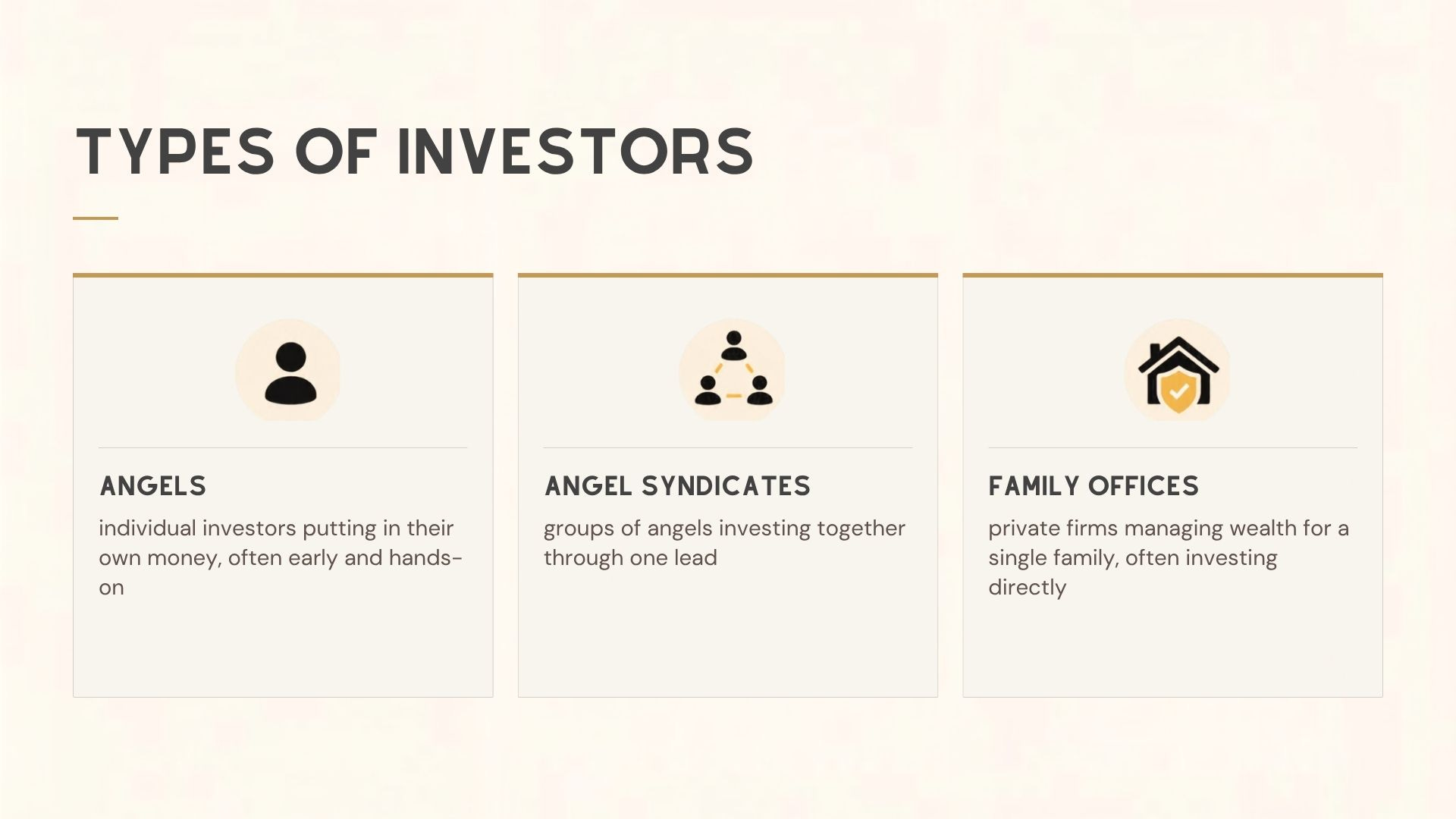
Angels, Angel syndicates and family offices, predominantly based in the US.
So, for those of you who are considering this kind of funding too, this will be pretty eye-opening. If you’re going for VCs (or considering them), my journey may not fill all the gaps for you, but it’s still reflective of some of what you would experience.
As for the why, I’ve been really fortunate to have worked for Angel-backed, crowdfunded, and VC-backed start-ups in the past, and I can honestly say my experience of Angel & Crowdfunded start-ups was better. More autonomy and control over the direction of the company, but with the support of people who really care and want you to win, so that’s the kind of funding I would rather pursue. Simple.
What tools have you used this time?
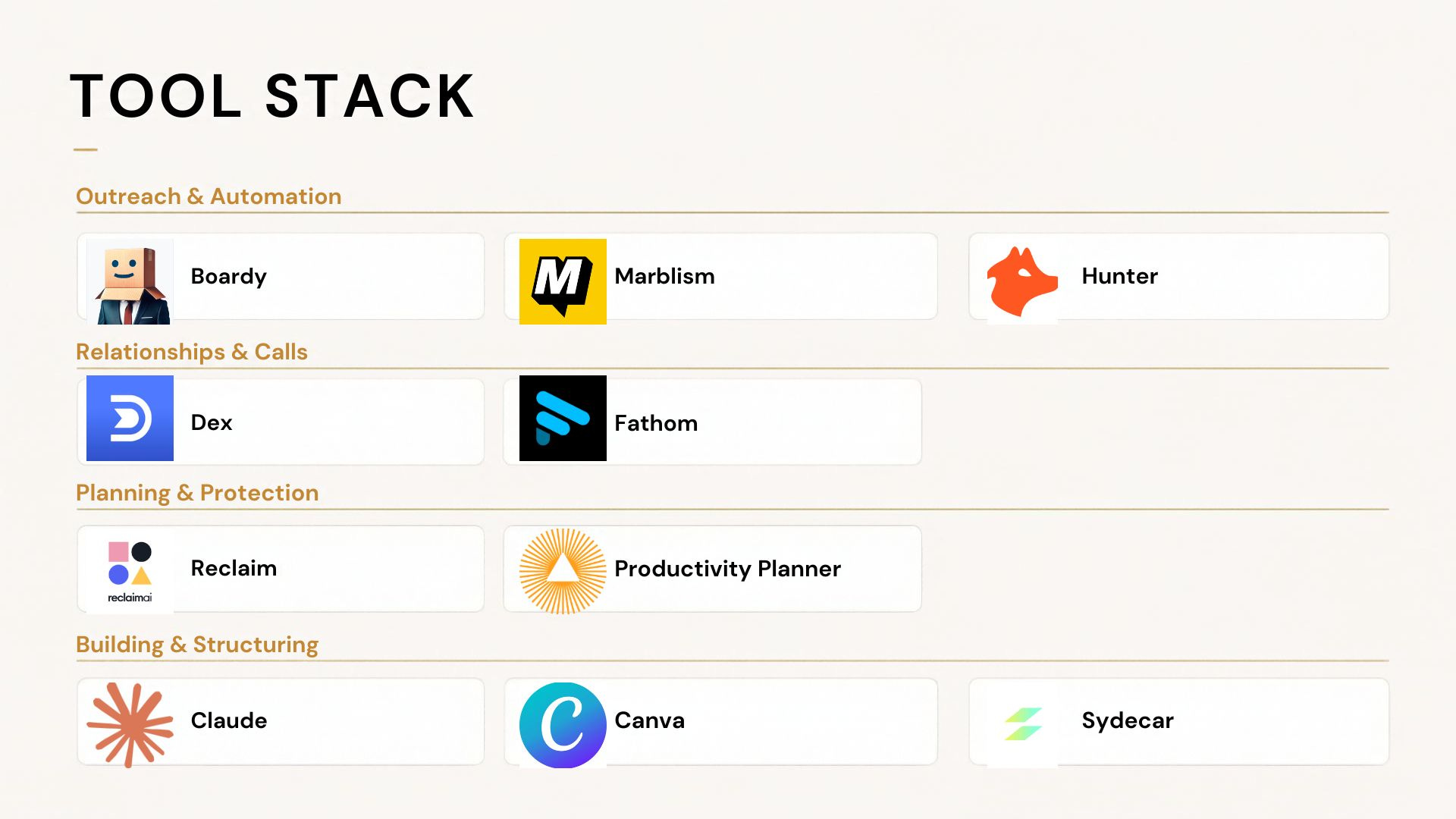
The tools running this raise
Again, anyone who remembers the original 240 days will know I love a good tool. Anything that saves me time, energy, and head space is always welcome. So this version is no different. But, instead of recommending new tools week by week, this time I have a tool stack that I’m sticking to from beginning to end.
Plus, I dug up some referral links with offers and discounts for anyone who wants to use them too.
Outreach and automation
Boardy
What it does: AI-powered investor networking, matching founders with relevant investors and making warm introductions rather than leaving you to cold outreach.
Why it matters: A huge amount of fundraising time gets lost just finding the right people to talk to. This is doing that work in the background so my energy goes into the conversations themselves.
Get 6 months of Boardy Pro for free
Marblism
What it does: LinkedIn outreach automation, running targeted messaging at scale.
Why it matters: Manually messaging every warm contact one by one isn’t sustainable alongside everything else this raise needs from me. This keeps outreach moving without eating my whole day.
Hunter.io
What it does: Runs automated outreach sequences to the contacts I’ve chosen not to message manually, and finds and verifies contact details before any of it goes out, so I’m not messaging dead emails or guessing at addresses.
Why it matters: Sending emails manually and remembering who to contact, and when, can be a huge time suck. Some contacts get an automated sequence, others get a message from me directly, depending on how warm the connection already is. Hunter saves me time on the first group, and gives me the headspace to focus properly on the second, so I can reach more investors without losing the personal touch on the ones that matter most.
Relationships and calls
Dex
What it does: Personal CRM that helps me see who I’m connected with, when we last spoke, all the channels we’ve communicated on, and where they are in the world. Helps me track investor relationships, follow-ups, and gives me all the context I need on past conversations.
Why it matters: Relationship memory matters over a 240-day raise where I’m juggling dozens of conversations at once. Not to mention, I can look back on past conversations over the years that will help me going forward.
Fathom
What it does: AI notetaker that sits in on calls and captures everything automatically.
Why it matters: Lets me actually be present in investor conversations instead of half-listening while I scribble notes, and gives me something to go back to when I’m deciding how to follow up.
Planning and protection
Reclaim.ai
What it does: AI calendar and time management tool that helps me protect focus blocks, avoid overbooking, and work within my existing commitments, especially anything that involves travel.
Why it matters: Managing my time is pretty imperative to leading the round, and this is arguably one of the best ways to prevent burnout. So having a tool that both helps me schedule and protects my down time is a win, win.
Intelligent Change Productivity Planner
What it does: A physical planner I use to set goals, structure my days and habits, and stay on top of everything company-wide.
Why it matters: A natural place to keep track of my 1 to 5 measurement scale, so I can stay on top of it and give you all concrete feedback, not something vague from memory.
Get 10% off with code GRATITUDE
Building and structuring the raise
Claude
What it does: AI assistant for drafting, thinking through problems, and troubleshooting.
Why it matters: Everything from structuring this newsletter to rescuing me when I broke a formula in my financial model and couldn’t find where. Genuinely part of how I’m getting the support of a personal assistant and ops manager for the raise, at a fraction of the cost.
Canva
What it does: Design tool, used here to build the pitch deck itself.
Why it matters: The deck is often the first thing an investor actually sees. Having a tool that makes it look considered without needing a designer on standby mattered. I can also track how many people have viewed the deck and which slides they spent the most time on (helping me to make tweaks as conversations go along).
Sydecar
What it does: SPV setup and management for the raise. An SPV, or special purpose vehicle, is essentially a single legal entity that pools multiple investors together. Instead of each individual investor going directly onto my cap table, they all invest into the SPV, and the SPV itself holds one line on the cap table.
Why it matters: I’m raising from angels, which usually means a lot of individual names and a lot of individual paperwork. With an SPV, if 100 people invest, my cap table shows one line, not 100 separate entries. Clean for me, simpler for future investors doing diligence too. Sydecar specifically has been built with US investors in mind, which matters given who I’m targeting this round.
Where this leaves us
Today marks day 1 of 240, with the round closing on 19 May 2027 if everything runs to plan.
And there’s already a genuinely good sign to share. We have a provisional £1k commitment in, and here’s why that matters more than the number itself suggests. In 2023, it took four months to get a first check committed. This time, it happened in week one.
I’m not reading too much into one data point, one check isn’t a trend. But if the whole premise of this experiment is that looking after myself changes the pace and quality of a raise, not just whether it closes, a four-month wait becoming a one-week wait is exactly the kind of early signal worth naming out loud.
What’s next
Next edition lands on 20th October, and I’ll be back with how the first month actually went, what moved, what didn’t, and where the five wellness scores landed. If a pillar slipped or the energy wasn’t there for a video, you’ll hear that too. That’s the whole point of running this in public.
239 days to go.